Fancy Cross Embroidery Design Review
First Impression: Elegant, Reverent, and Booth-Ready
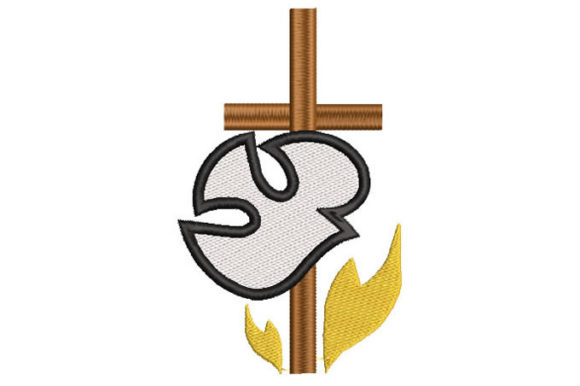
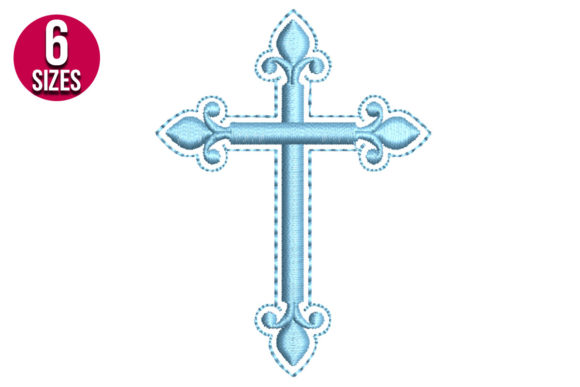
As an embroidery designer who’s prepped over 200 craft fair booths—and shipped thousands of handmade products—I opened Fancy Cross expecting something refined but wearable. And it delivers: this is an elegant, reverent machine embroidery design—not fussy, not cartoonish, not overly ornate—but quietly premium. It reads as “handmade with care” at three paces, which is exactly what draws churchgoers, gift shoppers, and boutique buyers to your table. It leans into timeless rather than trendy: no florals, no script fonts, no seasonal clutter. That makes Fancy Cross a strong anchor for your Religion category offerings—especially when customers are seeking meaning, modesty, or quiet celebration.
Where Fancy Cross Shines in Real Craft Fair Products
In my booth setup, I test every design across six high-traffic items: tote bags, aprons, tea towels, embroidered patches, fabric pouches, and pillow covers. Here’s how Fancy Cross performs:
- Tote bag design: Works beautifully centered on the lower right corner (12–14” wide). Its balanced proportions read clearly even from across the aisle—no squinting needed. Customers associate that placement with artisan quality.
- Apron embroidery: Perfect above the pocket or subtly on the bib. The design’s symmetry and clean lines complement aprons without competing with pockets, straps, or fabric texture.
- Tea towel embroidery: Stitches crisply on medium-weight cotton—no puckering—if stabilized correctly. Avoid placing it directly over thick hems or seams; center it where the fabric lies flat.
- Embroidered patch: Excellent candidate for iron-on or sew-on patches. At 3.5–4”, it retains detail without overcrowding. Great for pinning to jackets, Bible covers, or market bags.
- Fabric pouch & pillow cover: Scales well up to 5”. On linen blends or quilting cotton, the stitch density holds definition—no bleeding or blurring.
What Makes Fancy Cross Sell—Beyond the Stitch
This isn’t just about aesthetics—it’s about buyer psychology at a craft fair. Fancy Cross feels intentional. It signals reverence without being stiff, decorative without being flashy. That duality builds trust: customers assume you’ve chosen each design deliberately, which elevates your entire small shop product line. In Etsy listings, it photographs cleanly against neutral backdrops—no need for heavy editing. Its simplicity means it works across color palettes: navy, cream, charcoal, sage, or burgundy all let the embroidery shine. And because it’s not tied to a holiday or trend, it’s repeatable year after year—ideal for batch production and inventory planning.
Careful-Use Notes: Protect Your Stitch Quality
Even beautiful designs have limits. Before pressing “embroider,” check these:
- Dense stitch areas: Look closely at any floral flourishes or layered crossbars—these can cause thread buildup on textured towels or thick denim. Test on scrap first.
- Small details: If the design includes fine filigree or delicate inner linework, avoid scaling below 3”. Tiny lettering? Not present here—but always verify if your version includes inscriptions.
- Curved surfaces: Caps and curved market bags require re-hooping or specialty hoops. Fancy Cross’s symmetry helps, but test fit before committing to 20 caps.
- Dark fabric + light thread: High contrast improves legibility—but check thread colors included in your embroidery file. Some versions default to white-on-ivory; swap to ecru or heather gray for subtlety.
- Fabric texture: Terry cloth, heavy linen, or quilted cotton may obscure fine outlines. Use cutaway stabilizer + tight hoop tension.
Design Assets That Support Your Business—Not Slow It Down
A good digital embroidery file should accelerate your workflow—not stall it. Fancy Cross succeeds here: it loads cleanly across major machines, includes multiple hoop sizes (verify your version), and avoids excessive jump stitches. That means faster hooping, fewer thread breaks, and consistent results across 50+ tote bags or 30 pillow covers. For Etsy sellers, pairing it with a printable mockup boosts perceived value—customers love seeing how it looks on real fabric before buying. And because it’s versatile across categories (Religion, Home, Gift), you’re not siloing marketing—you’re cross-promoting.
Professional Embroidery Designer Notes You Can’t Skip
Before your craft fair weekend, do these five things:
- Test Fancy Cross on your exact fabric—same dye lot, same wash, same ironing method.
- Check thread contrast: hold stitched samples under booth lighting (not just studio LEDs).
- Review spacing between elements—tight gaps may close up on stretchy or loosely woven fabrics.
- Confirm hoop size compatibility with your machine and most-used stabilizer type.
- Create one finished product mockup—tote, apron, or patch—that you’ll display front-and-center. Real texture beats any screen shot.
And crucially: confirm commercial licensing terms in your embroidery file purchase. Selling finished products requires explicit permission—not assumed rights. When in doubt, contact the designer or marketplace before listing.
Final Thought: Fancy Cross Is a Quiet Confidence Builder
At the end of a long craft fair day, what sticks in a customer’s mind isn’t the loudest sign or flashiest display—it’s the piece that feels *meant* to be there. Fancy Cross does that work for you. It adds handmade quality without demanding attention. It lifts the perceived value of a $28 tea towel or $42 pillow cover—not by shouting, but by settling in with calm authority. For embroidery business owners, Etsy sellers, and creative entrepreneurs building a sustainable small shop product line, that kind of quiet strength is rare, valuable, and deeply sellable.