Bow Bat: A Playful, Polished Halloween Embroidery Design
First Impressions: Sweet Spooky, Not Just Cute or Scary
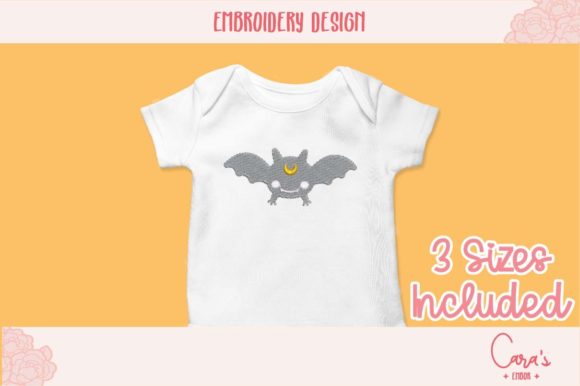
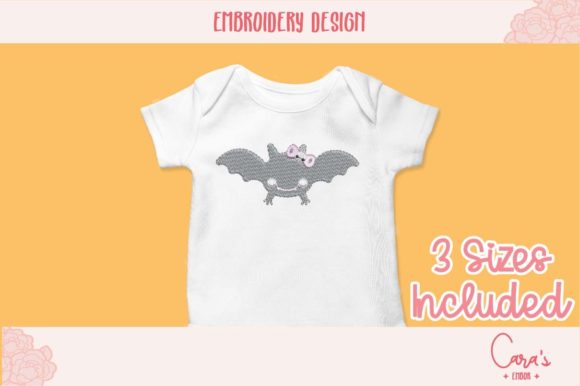
When I opened the Bow Bat embroidery file, what struck me wasn’t just the theme—it was the balance. This isn’t a cartoon bat with fangs and smoke; it’s a bat wearing a soft, dimensional bow—curved ears, gentle wing contours, and a subtle facial expression that reads as mischievous, not menacing. The shape is compact but expressive, built for clarity at 3–4 inches wide. As a designer who regularly selects machine embroidery designs for client projects and my own craft business, I immediately saw its versatility: it lands somewhere between nursery-friendly and boutique-holiday—ideal for customers who want Halloween charm without the cliché.
A Real-World Test: Stitching Bow Bat on a Linen-Cotton Tote Bag
Last week, I used Bow Bat to embroider a set of custom tote bags for a local boutique’s October launch. We chose natural linen-cotton blend fabric—textured, breathable, and popular with eco-conscious shoppers. I hooped it with medium-weight cutaway stabilizer (no tear-away here—the fill stitch needs support on uneven weaves), and ran the design at 3.8" wide. The result? Crisp satin-stitched bow edges, smooth fill-stitched wings, and clean running-stitch accents in the eyes and wing veins. No puckering. No thread breaks. And most importantly—no “lost detail.” Even the tiny bow center held its shape. Customers loved how it looked both playful and intentional—not like a generic clipart transfer.
Where Bow Bat Shines—and Where It Needs Thought
- Custom apparel: Works beautifully on sweatshirt cuffs, pocket corners, and baby onesie chest placements. Its compact height keeps it legible even on curved seams.
- Home decor & gifts: Looks especially charming on tea towels, pillow covers, and nursery wall hangings. The bow adds instant warmth—critical for holiday items meant to be gifted, not just displayed.
- Small shop products: As an Etsy seller, I’ve listed Bow Bat–embroidered bibs and hair clips. Buyers consistently comment on how “thoughtful” and “handmade-feeling” the design looks—even though it’s machine-embroidered. That perception lifts perceived value.
- Embroidered patches: Clean outer edge and moderate stitch density make Bow Bat patch-ready. Just trim close and seal the back—no fraying, no bulk.
Use With Care: Practical Limits You’ll Notice on the Hoop
Bow Bat isn’t built for ultra-minimalist applications. If you’re stitching on thin jersey or stretchy knit t-shirts, reinforce with lightweight fusible stabilizer *under* the fabric—not just behind it. On dark fabrics, test your thread colors first: light gray or cream thread on black gives softer contrast than stark white, which can look harsh. And avoid placing it directly over seams or darts—those subtle curves distort delicate satin-stitched bow loops. I also wouldn’t push it smaller than 2.5"—the bow’s knot detail starts to blur, and fill stitch density risks stiffness on baby embroidery or delicate bibs.
What It Adds to Your Finished Product—Beyond the Theme
This isn’t just another Halloween embroidery file. Bow Bat elevates handmade product credibility. Its balanced proportions and thoughtful spacing say “designed,” not “downloaded.” When stitched cleanly, it reinforces brand consistency—whether you’re branding a line of seasonal kitchen towels or launching a limited-run holiday collection for your small shop. Customers recognize intentionality: they don’t just buy a bat—they buy a moment of gentle whimsy. That translates directly to giftability, repeat orders, and social shares. For digital product sellers, Bow Bat also holds up well in printable mockups—its silhouette reads clearly in grayscale previews, helping buyers visualize before purchase.
Designer Notes You’ll Want Before Threading the Needle
- Always run a test stitch on scrap fabric matching your final project’s weight and texture—especially if using textured weaves or blends.
- Check stitch density visually in your embroidery software. Bow Bat avoids excessive overlap, but confirm no areas look overly dense or sparse when zoomed.
- Review hoop size requirements—if your machine uses smaller hoops (e.g., 4x4"), verify the design fits comfortably with margin room.
- Inspect small details at 200% zoom: the bow’s center knot, wing tip points, and eye highlights should all render cleanly.
- Test on both light and dark fabric swatches using your intended thread colors—contrast affects readability more than you’d expect.
- Confirm stabilizer choice: cutaway for stable wovens, lightweight tear-away for stable knits, and fusible + tear-away combo for tricky blends.
- If selling finished items commercially, double-check the license terms included with your Bow Bat embroidery file—some versions allow unlimited physical use but restrict resale of the digital file itself.
Final Thought: A Design That Serves Both Maker and Market
Bow Bat succeeds because it respects two realities: the technical limits of real-world embroidery, and the emotional expectations of real customers. It doesn’t shout “Halloween!”—it whispers “October joy,” and that subtlety makes it last beyond a single season. Whether you're stitching personalized gifts, building a craft business catalog, or sourcing reliable design assets for commercial embroidery, Bow Bat delivers quiet confidence—not flash, but finish. It’s the kind of machine embroidery design that makes clients ask, “Where did you get *that*?”—and makes you proud to say, “I chose it carefully.”