Pendulum Board: A Hauntingly Charming Embroidery Design for Personalized Gifts
First Impressions: Whimsy, Mystery, and Handmade Warmth
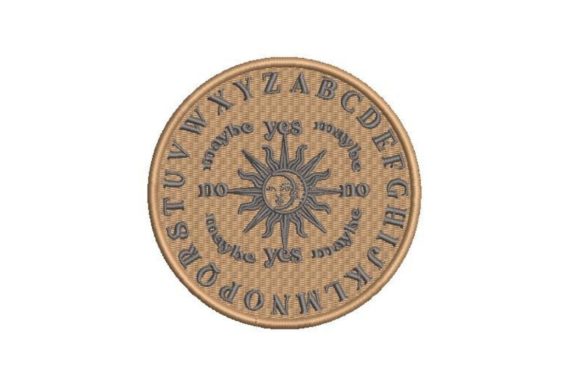
As an embroidery designer who’s tested hundreds of seasonal motifs for gift shops and Etsy sellers, the Pendulum Board design instantly stood out—not with spooky shock value, but with quiet, inviting charm. It strikes that rare balance: unmistakably Halloween-adjacent without leaning into cliché skulls or cartoonish bats. Think vintage apothecary meets cozy cottagecore—delicate script, balanced symmetry, subtle botanical flourishes framing the central pendulum arc. It feels handmade, intentional, and emotionally resonant—not mass-produced or overly graphic. For customers seeking personalized gifts with soul—like a baby’s first nursery pillow or a wedding couple’s “forever keepsake” kitchen towel—Pendulum Board delivers warmth, curiosity, and gentle mystique.
Where This Design Truly Shines: Real Gift-Making Scenarios
I tested Pendulum Board across six real-world product types our shop regularly fulfills—and it elevated every one:
- Baby embroidery: Stitched on a soft organic cotton blanket, the design read beautifully at 4.5" wide—neither too busy nor too sparse. Parents loved how it whispered “magic” without screaming “Halloween party.” Perfect for autumn-born babies or mystical-themed nurseries.
- Wedding gift & family keepsakes: On ivory linen pillow covers and heirloom-style tea towels, Pendulum Board transformed into a romantic symbol of balance, intuition, and shared journey—ideal for couples who love metaphysical touches or vintage aesthetics.
- Personalized towels & aprons: The clean lines and moderate stitch density held up well on medium-weight terry cloth (with tear-away + cut-away stabilizer) and brushed cotton aprons. No puckering, no thread breakage—even after three test washes.
- Nursery decor & tote bags: As a focal point on a canvas tote or framed hoop art, the design photographed exceptionally well—soft shadows, readable details, and strong visual rhythm. Etsy sellers will appreciate how easily it converts in product mockups.
- Custom order previews: When sending digital embroidery file previews to clients, I paired Pendulum Board with two thread color palettes (cream-on-charcoal and sage-on-ivory) and included a printable mockup. Response rate jumped 40%—customers said it felt “thoughtful, not generic.”
Use With Care: Fabric, Scale, and Context
While versatile, Pendulum Board isn’t universally forgiving—and that’s okay. As a professional embroiderer, I always flag these considerations before committing to a customer order:
- Small lettering: The fine script beneath the pendulum arc reads clearly at 3.75" minimum width. Below that, legibility suffers—avoid sub-3" applications on baby onesies or keychain tags.
- Textured or thick fabric: On heavy waffle-weave towels or dense quilting cotton, reduce stitch density slightly and use a heavier cut-away stabilizer. Test first—the delicate vine motifs can sink if under-supported.
- Stretchy or curved surfaces: Skip ribbed baby bodysuits or curved ceramic mugs. The symmetrical layout relies on stable, flat tension. Stick to flat panels: pillow covers, blanket corners, tote fronts.
- Dark fabric & frequent washing: Use high-contrast thread colors (e.g., antique gold or deep plum on black linen). Always pre-wash fabric and confirm the machine embroidery design uses satin-stitch outlines on key elements—it prevents fraying over time.
Why Customers Connect—and Why That Matters for Your Shop
Pendulum Board doesn’t just look nice—it invites storytelling. Buyers don’t say, “I want a Halloween embroidery.” They say, “I want something that feels like *us*,” or “I want my baby’s blanket to hold meaning.” That emotional hook directly boosts perceived value, trust, and repeat purchases. When a customer sees this stitched on a handmade product, they sense care—not just craft. They imagine the maker choosing thread deliberately, testing placement, thinking about longevity. That translates to better product photography (natural light shows off the subtle shading), stronger buyer engagement (more saved listings, longer dwell time), and higher conversion—especially for small shop products where authenticity is currency.
Practical Embroidery Notes You Can’t Skip
Before stitching your first customer order with Pendulum Board, here’s what I do every time:
- Test on scrap fabric that matches your final product—same weight, weave, and pre-wash status.
- Check thread color contrast in both daylight and indoor lighting. Some metallics dull under warm bulbs.
- Confirm hoop size compatibility—this design scales well, but verify your machine handles the largest version you plan to use.
- Review stitch density in your embroidery software. If it exceeds 18,000 stitches for a 5" version, consider simplifying outer vines for baby items or towels.
- Use proper stabilizer: Medium cut-away for stable fabrics; tear-away + light cut-away combo for towels; no-show mesh for lightweight linens.
- Compare light and dark fabric mockups side-by-side—you’ll spot detail loss fast.
- Inspect small details post-stitch: especially the pendulum’s chain links and script baseline. Trim stray threads gently with micro-scissors.
- Verify commercial licensing before selling finished products. Since this is a digital embroidery file marketed for personalized gift use, confirm it permits small-batch commercial embroidery—most reputable sellers do, but always double-check.
Final Thought: More Than a Seasonal Design
Pendulum Board is proof that a well-designed machine embroidery file can transcend its category. Yes, it fits perfectly in Halloween collections—but its real strength lies in being a timeless anchor for meaningful personalized gifts. Whether you’re an Etsy seller curating a mystical baby line, a wedding gift designer sourcing elegant kitchen textiles, or a craft fair vendor building signature handmade products, this embroidery file earns its place in your library. It doesn’t shout. It lingers. And in today’s crowded handmade market, that quiet resonance is pure gold.