Got Mud: A Farm-Fresh Embroidery Design That Sticks
First Impression: Rustic, Relatable, and Unapologetically Fun
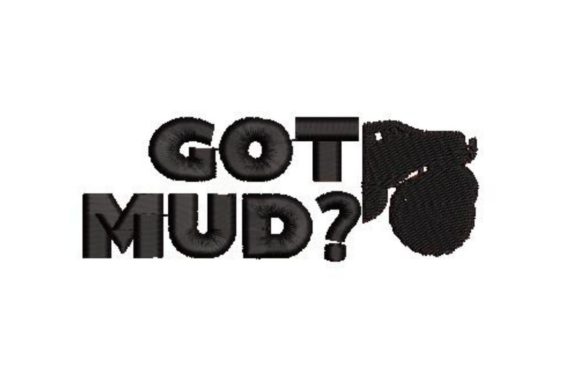
As an embroidery designer who’s prepped over 200 craft fair booths—from snowy Vermont markets to sun-baked Texas fairs—I know instantly when a design has booth magnetism. Got Mud lands with cheerful, grounded energy: it’s not sleek or minimalist, and it’s definitely not corporate. It’s rustic charm with a wink—country-style, lighthearted, and deeply human. The title alone sparks recognition: anyone who’s wrestled a fence post, chased chickens barefoot, or helped calve at dawn knows this phrase like a second language. That instant emotional hook? That’s gold for handmade product storytelling.
Where Got Mud Shines on Craft Fair Products
Tote bags: A standout. Embroidered front-and-center on natural canvas or heavyweight cotton duck, Got Mud reads clearly from six feet away—bold enough for visual impact, warm enough to invite a smile. Pair it with earthy thread colors (olive green, barn red, creamy ecru) and it feels authentically farm-made—not mass-produced.
Aprons and tea towel embroidery: This is where Got Mud becomes functional art. On a denim apron pocket or the lower corner of a linen tea towel, it adds personality without overwhelming utility. Customers love stitching that tells a story *while* they’re cooking, gardening, or hosting brunch. Just keep lettering legible—avoid shrinking it below 3 inches wide on towels, where fabric texture can blur fine details.
Embroidered patches and fabric pouches: Perfect scale. As a sew-on or iron-on patch, Got Mud works beautifully on denim jackets, overalls, or market bags. On small drawstring pouches (great for seed packets or soap bars), it gives boutique-level polish. Its friendly tone elevates even simple cotton pouches into intentional handmade products.
Caps and pillow covers: Use caution here. Curved cap surfaces compress lettering, and dense stitch areas may pucker if stabilizer isn’t matched to the fabric weight. On pillow covers, Got Mud shines best centered on a neutral linen or oatmeal twill—clean background, confident presence. Avoid busy prints underneath; let the design breathe.
Real-World Selling Strengths
Got Mud succeeds because it’s instantly understandable—no decoding needed. At a craft fair, where attention spans are measured in seconds, that clarity wins. It’s also highly repeatable: once you dial in thread tension, stabilizer choice, and hoop placement, batch-producing 25 tote bags feels efficient, not exhausting. For Etsy sellers and small shop owners, that consistency means reliable listings, cohesive photo sets, and faster turnaround.
Photography-friendly? Absolutely. The phrase “Got Mud” has strong contrast potential—dark thread on light fabric pops in natural light, while cream-on-charcoal reads as premium and grounded. When used in printable mockups, it translates well across digital formats: social posts, email banners, and product thumbnails all retain its warmth and wit.
Careful-Use Notes Every Designer Should Check
- Dense stitch areas: If the design includes mud-splatter graphics or textured shading, verify stitch density before hooping thick fabrics like duck cloth or quilted aprons—excess density causes stiffness and thread breakage.
- Tiny details & small lettering: Avoid scaling Got Mud below 2.5 inches wide on curved or textured surfaces (like terry cloth towels or structured caps). What looks crisp on screen often blurs in thread.
- Dark fabric & contrast: On black or navy backgrounds, test thread colors thoroughly. Some “mud brown” tones disappear unless paired with high-contrast accent threads (e.g., mustard yellow for highlights).
- Fabric texture: Rough weaves (burlap, heavy linen) demand heavier cutaway stabilizer and slightly looser top tension—otherwise, stitches sink and lose definition.
How Got Mud Elevates Your Handmade Product Line
This machine embroidery design doesn’t just decorate—it connects. On a booth table full of handmade goods, Got Mud draws people who identify with rural life, sustainable living, or joyful imperfection. It signals authenticity, which boosts perceived value: customers pay more for items that feel personal, not generic. For embroidery business owners building a brand voice, it reinforces consistency—especially when paired with other Farm-category designs like “Hay Day” or “Tractor Therapy.”
It also strengthens booth display strength. Group three Got Mud items—a tea towel, a patch-adorned pouch, and a relaxed-fit cap—and you’ve built a mini lifestyle vignette. That kind of curation invites conversation, increases dwell time, and lifts average order value.
Professional Embroidery Designer Notes Before You Stitch
- Test the embroidery file on scrap fabric matching your final product—same weave, weight, and dye lot.
- Check thread contrast under both daylight and indoor lighting; monitor color shifts on dark or heathered fabrics.
- Review spacing between letters and graphic elements—tight kerning can merge in stitch, especially at smaller sizes.
- Confirm hoop size compatibility with your machine and intended product (e.g., large hoops for tote bags, smaller for patches).
- Inspect stitch density visually in software—if the mud splatters look overly saturated, consider simplifying or reducing fill layers.
- Match stabilizer to fabric: cutaway for knits and stretchy aprons, tear-away for stable linens and tea towels.
- Create at least one real mockup—not just a digital preview—to assess drape, hand-feel, and customer appeal.
- Compare how Got Mud looks across multiple fabric colors; a design that sings on oatmeal may mute on sage.
- Verify commercial licensing terms before selling finished products—this is essential for Etsy sellers and wholesale partners.
At its core, Got Mud is more than a machine embroidery design—it’s a tiny celebration of honest work, messy joy, and the kind of handmade product that starts conversations and ends up framed in kitchens, hung in barns, and gifted with a knowing laugh. Whether you're stitching for a weekend craft fair or building a full Farm-category collection, this embroidery file earns its place on your design assets list—not because it’s trendy, but because it’s true.