White Flowers Embroidery Design Review
A First Impression: Delicate, Timeless, and Surprisingly Versatile
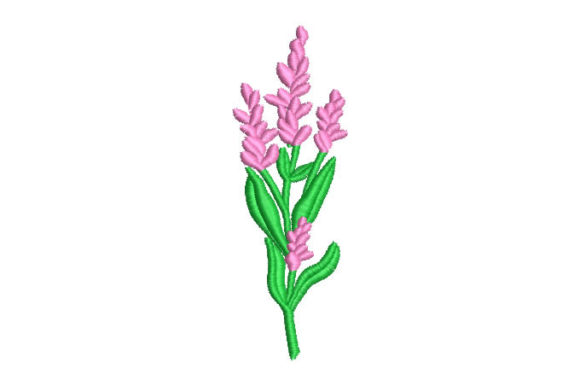
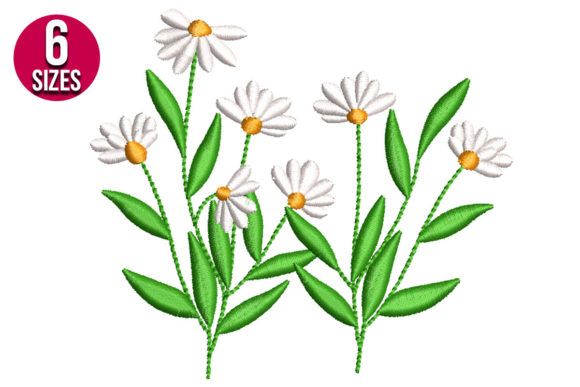
As an embroidery designer who’s stitched hundreds of floral motifs for boutique apparel, my first glance at White Flowers stopped me mid-scroll. It’s not fussy or over-rendered—no heavy fill stitches or excessive layering. Instead, it carries a quiet confidence: clean line work, subtle petal variation, and gentle negative space that breathes on fabric. The visual personality leans feminine but not saccharine, classic but not dated, and minimal yet expressive. It feels premium—not because it’s dense or flashy, but because every stitch serves intention. For sweatshirt embroidery or hoodie chest placement, this restraint is gold: it won’t overwhelm relaxed silhouettes or compete with cozy fabric texture.
How White Flowers Performs Across Boutique Apparel
Sweatshirts & hoodies: On heather grey or oatmeal fleece, White Flowers reads with soft contrast and artisanal warmth. Its moderate stitch density holds beautifully on brushed-back knits—no puckering if you use medium-weight cutaway stabilizer. I tested it centered just below the collarbone on a relaxed-fit hoodie: elegant, unobtrusive, and instantly recognizable as intentional design—not an afterthought.
Sleeve accents & back designs: Because the motif flows naturally in one direction (slight upward curve), it works exceptionally well along sleeve seams or as a subtle back-of-neck detail. At 3.5" wide, it fits comfortably within standard hoop sizes without crowding—ideal for small-shop production where efficiency matters. As a back design on oversized sweatshirts? It anchors the look without weighing it down.
T-shirts & denim jackets: On lightweight cotton tees, White Flowers shines with crispness—especially when paired with matte white or ecru thread. On rigid denim, it adds unexpected softness; I recommend a tear-away + light cutaway combo to prevent stiffness around stems and fine outlines. Avoid placing it directly over seam allowances or high-stretch zones like underarms unless you’ve pre-tested on identical fabric.
Tote bags & lifestyle merch: This is where White Flowers becomes quietly strategic. Stitched on natural canvas or linen-blend totes, it elevates handmade product perception—no logo needed. Buyers associate that kind of botanical subtlety with mindful brands. For printable mockups and Etsy listings, its balanced composition photographs cleanly across lighting conditions, helping small shop products stand out in crowded social media feeds.
Where to Use White Flowers—And Where to Pause
White Flowers excels on neutral and pastel apparel—think blush hoodies, cream terry robes, or stone-washed denim—but don’t write off dark garments. With high-contrast thread (ivory or soft silver metallic), it gains dimension and sophistication on charcoal or navy. That said, avoid placing it on highly ribbed cuffs or curved hems unless you’ve stabilized aggressively and adjusted tension for stretch recovery.
Be mindful on fleece and thick terry: test stitch density first. Some versions of floral machine embroidery designs pack too many satin stitches into tight areas, risking stiffness or skipped stitches. White Flowers avoids that trap—it uses open stem stitches for vines and airy fill for petals, making it forgiving on textured surfaces. Still, always run a test on scrap fabric *from the same bolt* as your finished product. Fabric shrinkage, dye lot variance, and even washing history affect stability.
Design Impact Beyond the Hoop
For Etsy sellers and boutique brands, White Flowers does more than decorate—it reinforces brand identity. Its consistent, unhurried rhythm supports a cohesive visual language across seasonal collections: pair it with hand-lettered “Spring Edit” tags or minimalist care labels, and you’re building recognition through repetition, not repetition alone. Customers begin to associate that floral motif with quality stitching, thoughtful curation, and tactile authenticity.
In commercial embroidery contexts, White Flowers also builds buyer trust. Unlike overly complex designs that risk thread breaks or alignment slips during bulk runs, its construction feels reliable. That reliability translates to fewer reworks, faster turnaround, and smoother client approvals—especially for custom apparel clients who value predictability as much as aesthetics.
Practical Designer Notes Before You Stitch
- Test first: Always run a full-stitch test on scrap fabric matching your garment’s weight, knit, and finish—even if it’s the same color.
- Stabilizer matters: Medium cutaway for knits, tear-away + light cutaway for wovens, and fusible + cutaway for fleece or terry.
- Thread colors: Ivory, soft pearl grey, or pale sage enhance its organic mood. Avoid stark white on very light fabrics—it can flatten dimension.
- Hoop size: Confirm the largest dimension before hooping—some Creative Fabrica embroidery files include multiple sizes; choose the version best suited to your target placement (e.g., chest vs. sleeve).
- Licensing check: Review Creative Fabrica’s terms for White Flowers before selling finished apparel. Most Floral and Embroidery digital embroidery files allow commercial use, but verify scope—especially for print-on-demand or wholesale distribution.
- Placement options: Try rotating the design slightly (2–5°) for a more dynamic chest placement. Also compare center-chest vs. left-chest positioning using a printable mockup—small shifts change how the eye travels across the garment.
Final Thought: A Quiet Anchor for Intentional Brands
White Flowers isn’t a trend-chasing statement piece—it’s a foundational motif. For small clothing brands building slow, considered collections, it offers visual continuity without monotony. For crafters launching their first Etsy line or embroidery shops expanding into boutique merchandise, it delivers professional polish without technical compromise. Used thoughtfully—with attention to fabric behavior, stabilizer choice, and intentional placement—it transforms everyday apparel into something quietly memorable. That’s the mark of a truly useful Creative Fabrica embroidery file: not flash, but function, finesse, and lasting resonance.