Plants with Fruits: A Designer’s Real-World Embroidery Review
First Impressions: Lush, Balanced, and Quietly Confident
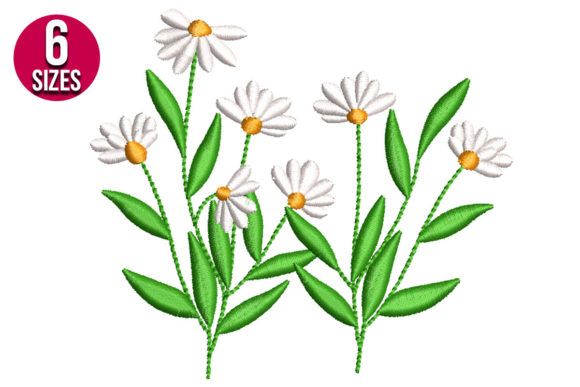
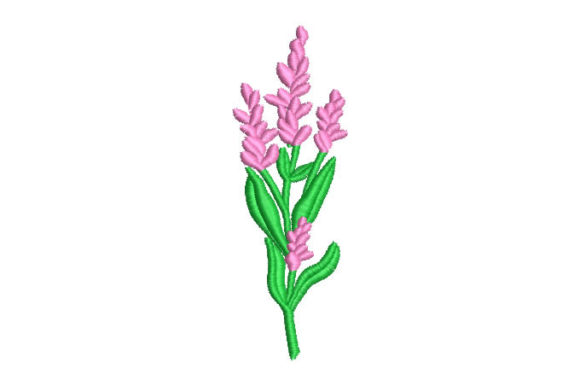
When I opened the Plants with Fruits embroidery file, what struck me wasn’t flashiness—it was quiet intention. This isn’t a bold, graphic statement piece. It’s a thoughtful floral composition where stems curve with natural rhythm, leaves unfurl without stiffness, and fruits sit gently—not oversized or cartoonish, but ripe with subtle weight. The layout breathes: no overcrowded corners, no awkward negative space. It feels like something you’d stitch for a friend who appreciates quiet beauty—think a linen tea towel for a kitchen boutique, or the back pocket of a hand-dyed denim apron.
A Real Project Test: Custom Tote Bags for a Local Bakery
Last month, I used Plants with Fruits on a set of organic cotton tote bags for a neighborhood bakery launching seasonal fruit preserves. We stitched it centered on the front panel—about 4.5" wide—and paired it with soft ecru thread on oat-colored fabric. The result? Immediate warmth. Customers paused at the counter not because the design screamed, but because it *invited*. That’s the strength of Plants with Fruits: it elevates the handmade product without competing with the item’s function or material. It felt intentional—not decorative filler.
Where It Shines (and Where to Pause)
Plants with Fruits works beautifully across several embroidery project types—but context matters:
- Custom apparel: Excellent on medium-weight sweatshirts and structured tote bags. The design’s moderate stitch density holds up well without puckering.
- Baby embroidery: Soft, rounded shapes read clearly on onesies and burp cloths—just avoid dense fill areas near seams where flexibility is key.
- Embroidered patch: Clean outlines and balanced proportions make it ideal for iron-on or sew-on patches on denim jackets or backpacks.
- Holiday embroidery and wedding gifts: Paired with muted thread palettes (olive, terracotta, cream), it reads as timeless—not tied to a single season.
- Etsy seller and small shop product: Its versatility means one design can support multiple listings—a pillow cover, a tea towel, a baby blanket corner—without feeling repetitive.
Use With Care On…
Not every surface is ideal. I recommend caution with:
- Thin or highly textured fabric: Delicate leaf veins may blur on loosely woven linen or heavy bouclé. A lightweight tear-away stabilizer helps—but test first.
- Stretchy fabric: Knits require cutaway + topping. Without it, the satin stitch on fruit contours can distort.
- Curved surfaces like caps: The design’s horizontal flow works better on flat or gently curved panels (like a bucket hat brim) than tight crown curves.
- Dark fabric: Some inner details rely on contrast. Always preview in black-and-white mockups—what reads softly on white may disappear on navy.
- Frequent-wash items: Avoid placing dense fill-stitch fruit centers directly over high-friction zones (e.g., center chest of a toddler tee). Running stitch stems hold up better long-term.
What It Adds to Your Finished Product
It’s rare that a single machine embroidery design quietly lifts perceived value—but Plants with Fruits does. Stitched cleanly, it signals care: not just “I embroidered this,” but “I chose this *because* it belongs.” For an Etsy seller, that builds customer trust. For a craft business, it reinforces brand consistency across product lines. And for gift buyers? It makes the item feel personal—even when it’s not monogrammed. That intangible quality—giftability—is why I keep this in my go-to folder for bridal shower towels, new-parent welcome kits, and boutique shelf talkers.
Designer Notes You’ll Actually Use
Before stitching Plants with Fruits into your next finished product, here’s what I do—and recommend:
- Test on scrap fabric using your exact thread, stabilizer, and machine tension—not just once, but twice: once with your lightest thread color, once with your darkest.
- Review stitch density in your embroidery software. If inner fruit areas look overly dense, consider reducing fill density by 5–10% for breathable fabrics.
- Confirm hoop size—this design likely fits standard 4x4 or 5x7 hoops, but check before hooping expensive fabric.
- Inspect small details under magnification: tiny stem tips, fruit highlights, and leaf serrations should be legible—not lost in stitching noise.
- Compare light and dark fabric backgrounds using printable mockups. Does the shape still read clearly? Does it feel grounded—or float?
- Use proper stabilizer: Medium-weight cutaway for knits, tear-away for stable wovens, and always a light topping for textured surfaces.
- Verify licensing before selling finished items or bundling the digital embroidery file with other design assets. This is non-negotiable for commercial use.
Final Thought: Not Just Another Floral Design
Plants with Fruits doesn’t shout. It settles—in the hem of a linen napkin, the corner of a nursery pillow, the sleeve cuff of a handmade cardigan. That’s its real power. In a market flooded with busy, over-digitized motifs, this design trusts the viewer to notice the curve of a stem, the gentle swell of a berry, the balance between line and space. For creative entrepreneurs, apparel decorators, and hobbyists alike, it’s a quiet, reliable tool—not a trend, but a foundation. Use it thoughtfully, test it honestly, and let its calm confidence speak for your craft.